


Shop $50+
& Get Gifts

Free Incense
Shop $50

Free Crystal
Shop $100

Free Gift Box
Shop $150
THE ORIGIN OF SOULEVEN
Nature’s Rhythm, Brought Indoors.
"In a world that never stops rushing, Souleven is an invitation to pause. Born from a deep reverence for the wild forest, we believe that within the woods, time itself is mended by nature. We distill pure botanical essences into delicate wisps of smoke, bridging the gap between raw earth, ancestral ceramic art, and soulful melodies. Turn your space into a sanctuary. Dissolve the day’s anxiety, alignment your breath, and embark on a sensory journey back to your truest self."
AS FEATURED IN


Rooted in Art. Crafted by Hand.
Each piece in this collection is handcrafted by skilled artisans using time-honoredceramic techniques passed down through generations, ensuring that every object reflects both cultural heritage andindividual craftsmanship. No intermediaries. Just thoughffully made ceramics shaped byhand, fire, and tradition.
Handmade Incense Holder
-
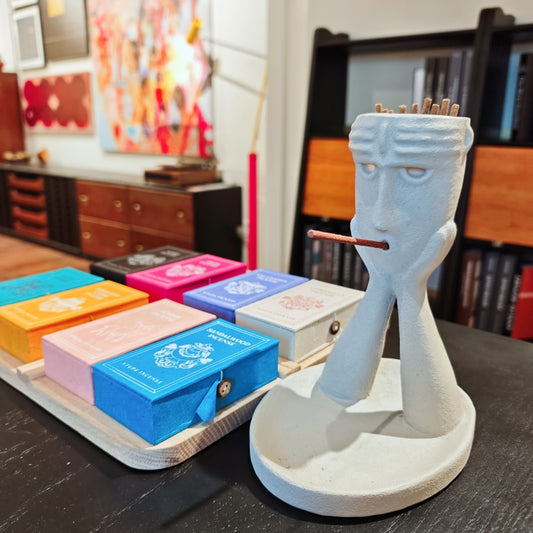
The Thinker's Reverie Handcrafted Incense Base
Regular price $58.00 USDRegular price$78.00 USDSale price $58.00 USDHot Sale -
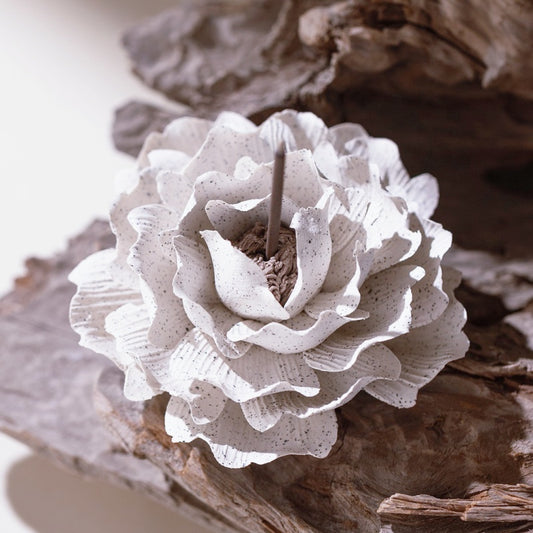
Heritage Porcelain Petal Incense Holder & Oil Diffuser - Rose
Regular price $58.00 USDRegular price -
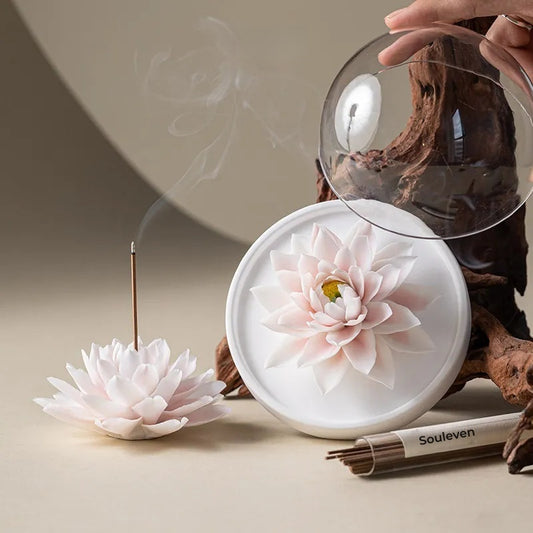
Heritage Porcelain Petal Incense Holder & Oil Diffuser - Blossoms
Regular price From $56.00 USDRegular price -
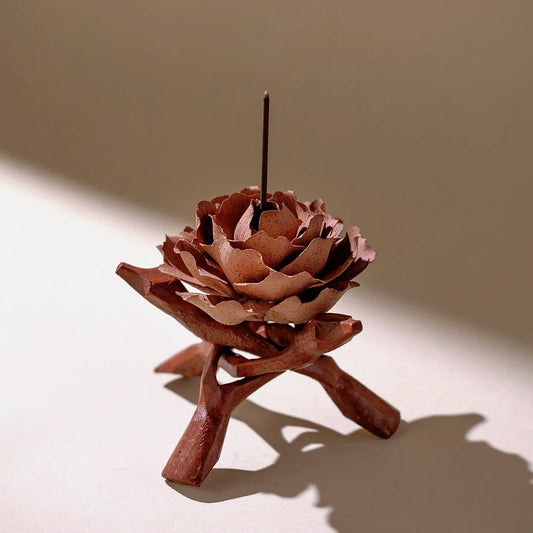
Heritage Porcelain Petal Incense Holder & Oil Diffuser - Peony
Regular price $56.00 USDRegular price




Wildcrafted. Traceable. Pure.
We are a handmade incense workshop in Himalayan. We have been making incense since last two decades. Being based in the foothill of the Nagarjung forest in the Kathmandu valley, we are always inspired by our surroundings, traditions and nature.
SOULEVEN&STUPA Incense
-
The Sanctuary Trio: the Core Elements Box Set
Regular price $39.00 USDRegular price$59.94 USDSale price $39.00 USDHot Sale -
The Sovereign Apothecary: 6 Chapters of Spiritual Alignment Set
Regular price $68.00 USDRegular price$99.98 USDSale price $68.00 USDHot Sale -
The Royal Bhutanese Incense | 108 Sacred Himalayan Botanicals
Regular price $25.00 USDRegular price -
The Deep Ocean Embrace | Oceanic Ambergris Healing Incense
Regular price $22.00 USDRegular price

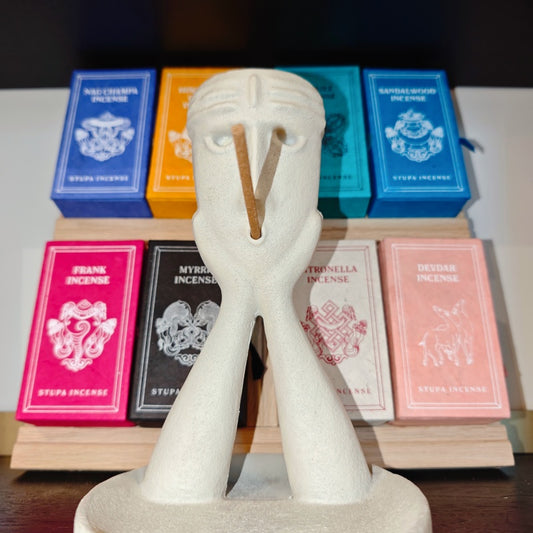


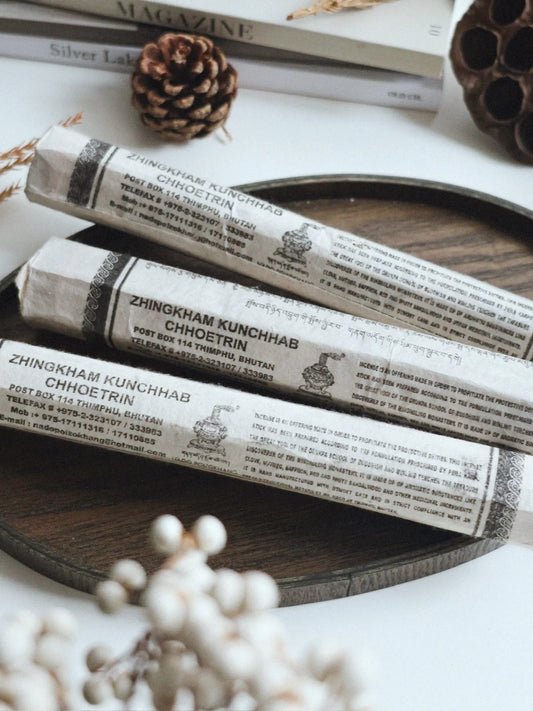

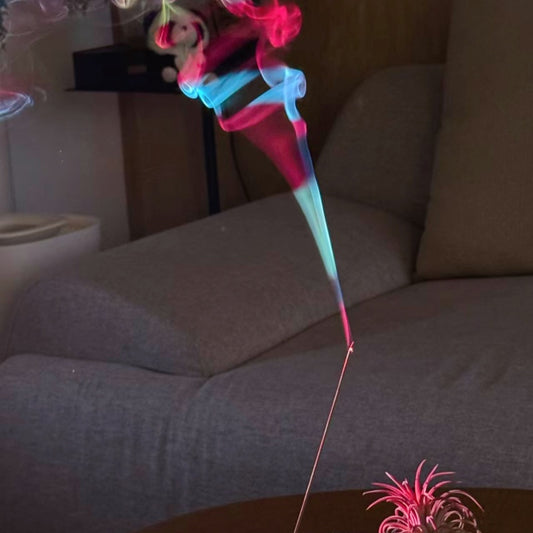
The Story of Incense and Incense Holders
What is incense? What is incense used for?
The English word “incense” derives from the Latin word for “to burn”, incendēre. So in its most basic sense (no pun intended), incense is just different plant materials (or in a small number of instances, animal matter) that are burnt for their fragrant smells. This includes a variety of woods, resins, seeds, roots, leaves, flowers and some animal materials like musk (secretion of the musk deer) or amber gris (best explained as “whale vomit”). In ancient and medieval times, incense tended to be burnt in its raw form, eg, pieces of wood, or a mixture of wood, leaves, roots etc.
Incense today tends to be in the form of pastes or powders, made into shapes like sticks. The pastes or powders are made from a mixture of the types of ingredients mentioned above, ground into fine powder, and bound with a binding agent with water. The incense stick (or whatever other shape its in) can then be directly lit.
What is incense used for?
Incense was a huge part of life in the ancient and medieval world. In medieval China, incense accompanied every aspect of life for intellectuals, officials, and the imperial family. They would wear incense in pouches on their belts, fan themselves with incense fans, dry their clothes over large incense burners, bathe in incense-infused water and wear incense-infused make up… not to mention have a lit incense burner in every room. It was believed that incense not only made life more pleasant, but it had significant health benefits and helped with focus and relaxation.
Today, incense is making a “come back” into our daily lives for the same reasons. Many people light an incense to accompany meditation, yoga, reading, or some quiet work time. Incense has also retained its use in religious and ancestral ceremonies all around the world, and you might often see them in large temples, shrines, as well as homes of friends who retain a small shrine.
How do you light an incense?
Lighting an incense stick is not difficult even if you've never done it before. You light the tip of the incense with a flame until it catches fire, allow it to burn for a few seconds, then gently fan out the flame, ensuring that a glowing ember remains. This may need to be repeated several times if the first time doesn’t work.
Once properly lit, place the incense onto the incense holder. Keep the incense and burner on a surface away from wind or sudden air movements (windows, fans, AC, etc).
How do I know if my incense is good quality?
While most people on the internet would say good quality = 100% natural, we believe it should go beyond that. It is very simplistic to boil quality down to just this one thing – for example, if we randomly throw together a bunch of herbs and spices from the kitchen cabinet, and heat this mixture up with charcoal, would we consider this good quality incense? It’s certainly 100% natural.
All natural should absolutely be the foundations of a good quality incense, and you should check this carefully. However, there are other important elements to consider:
The aroma of the incense – this is the most important element (and somewhat subjective), an incense cannot be considered good quality unless it has a great smell
- How quickly the aroma spreads and how long it lasts for
- And the above two elements are influenced by the quality of each natural ingredient – for example, various grades of aloeswood can have a significant impact on the final quality of the scent, and therefore the quality of the incense
In order to determine whether an incense marked as all natural is good quality, we suggest you check some of the following:
- Whether it has a center stick, and what the stick is made of – all else being equal, I would consider an incense without a center bamboo stick to be higher quality, because the stick releases a smell that disrupts the blend of aromas from the other ingredients. On rare occasions, the center stick is made from sandalwood, in which case the incense is most probably a high quality one
- The burn time of the incense – incense with higher quality ingredients will burn longer than lower quality incense of the same length/size
- For Handmade incense, the smoothness of the stick – incense burns better and releases a better blend of aromas if all the ingredients are processed into a fine powder before blending. If the incense shows clumps, this is a sign that the scent will be uneven, and the incense may not even stay lit
What kind of incense burner is best?
The best incense burner is one that suits your home and your lifestyle best. And along these lines, we think the most important factors to consider are:
- The aesthetics of the piece and how it fits with the style of your home
- The types of incense the holder can accommodate, and whether this is suitable for your preferred incense
- How easy the incense burner is to care for and to clean
Our incense stick holders have a Artistic yet Practical style, and are easy to care for. They are made mostly to accommodate many types of incense sticks.